


Everyone Has a Story That Deserves to Be Told
A digital platform to support vulnerable populations affected by traumatic experiences and mental health challenges
Swipe, select a side image, or use the left and right arrow keys to see more stories.
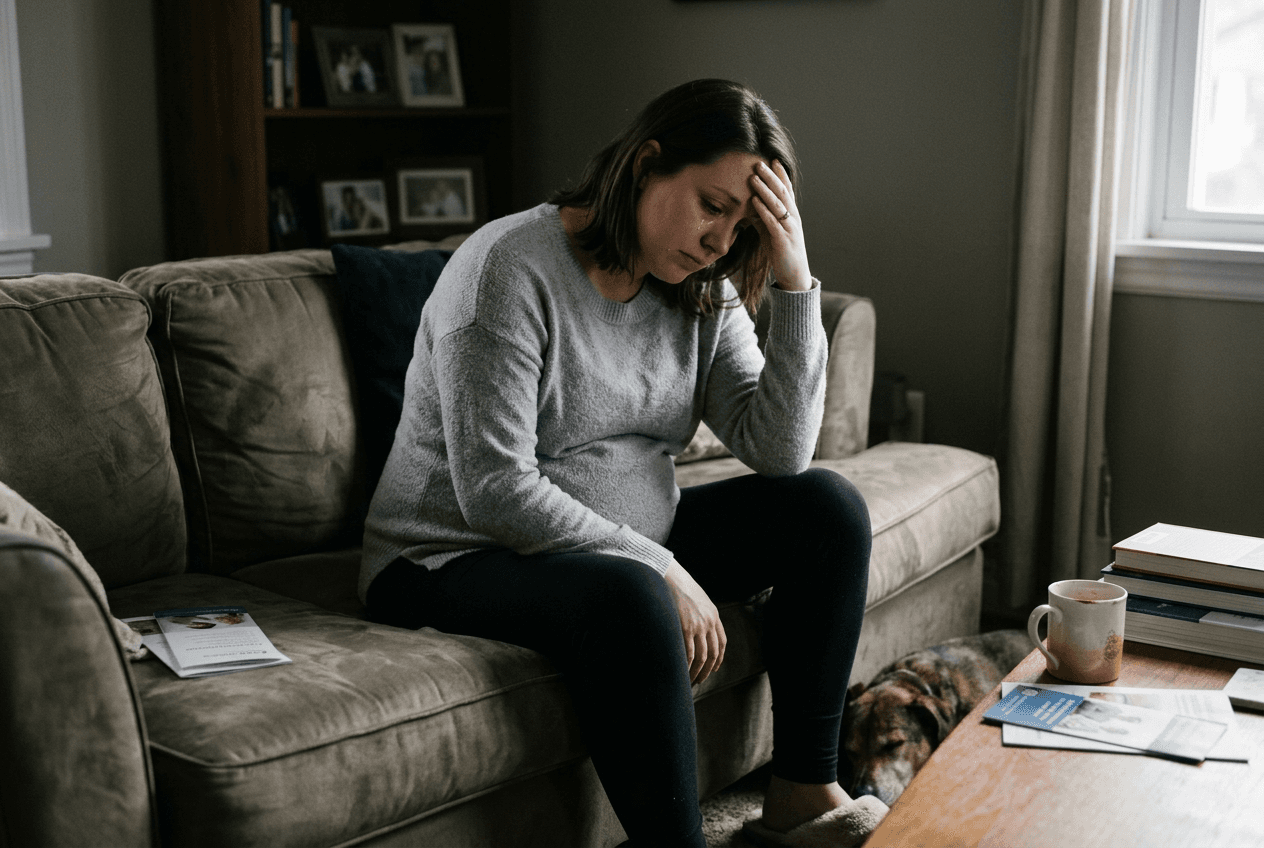
About 1 in 6 new mothers worldwide (17%) experience postpartum depression.
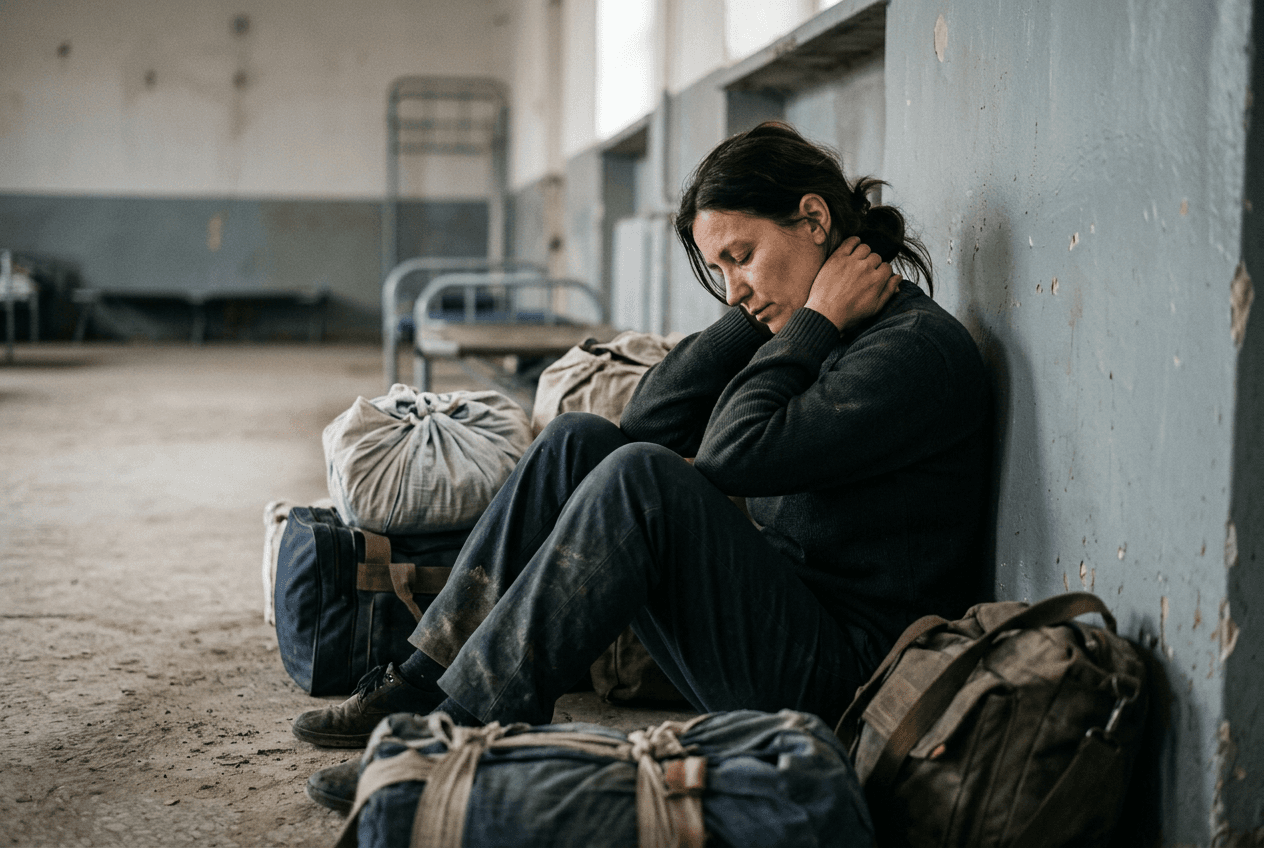
In conflict-affected areas, 1 in 5 people (22%) live with depression, anxiety, PTSD, bipolar disorder or schizophrenia.
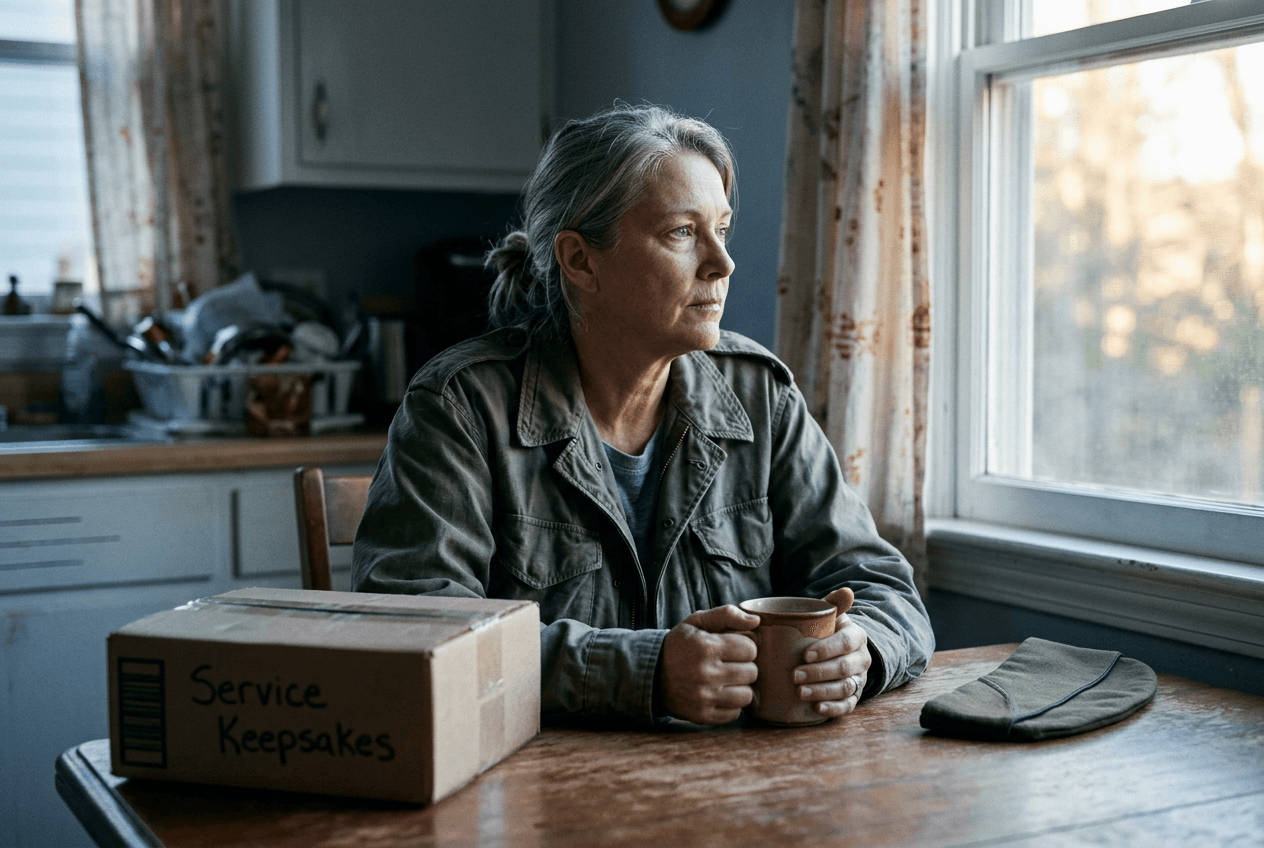
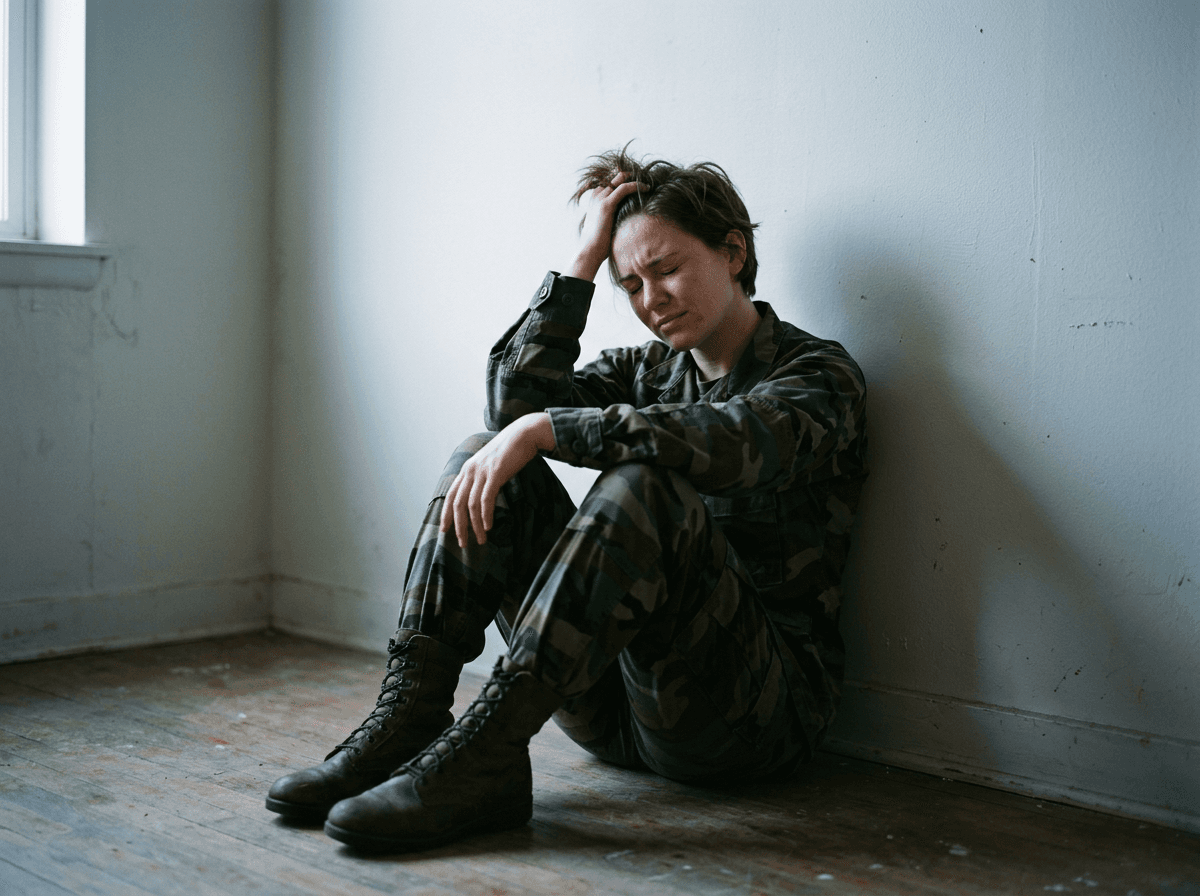
Women on active duty are diagnosed with PTSD at roughly twice the rate of their male counterparts.
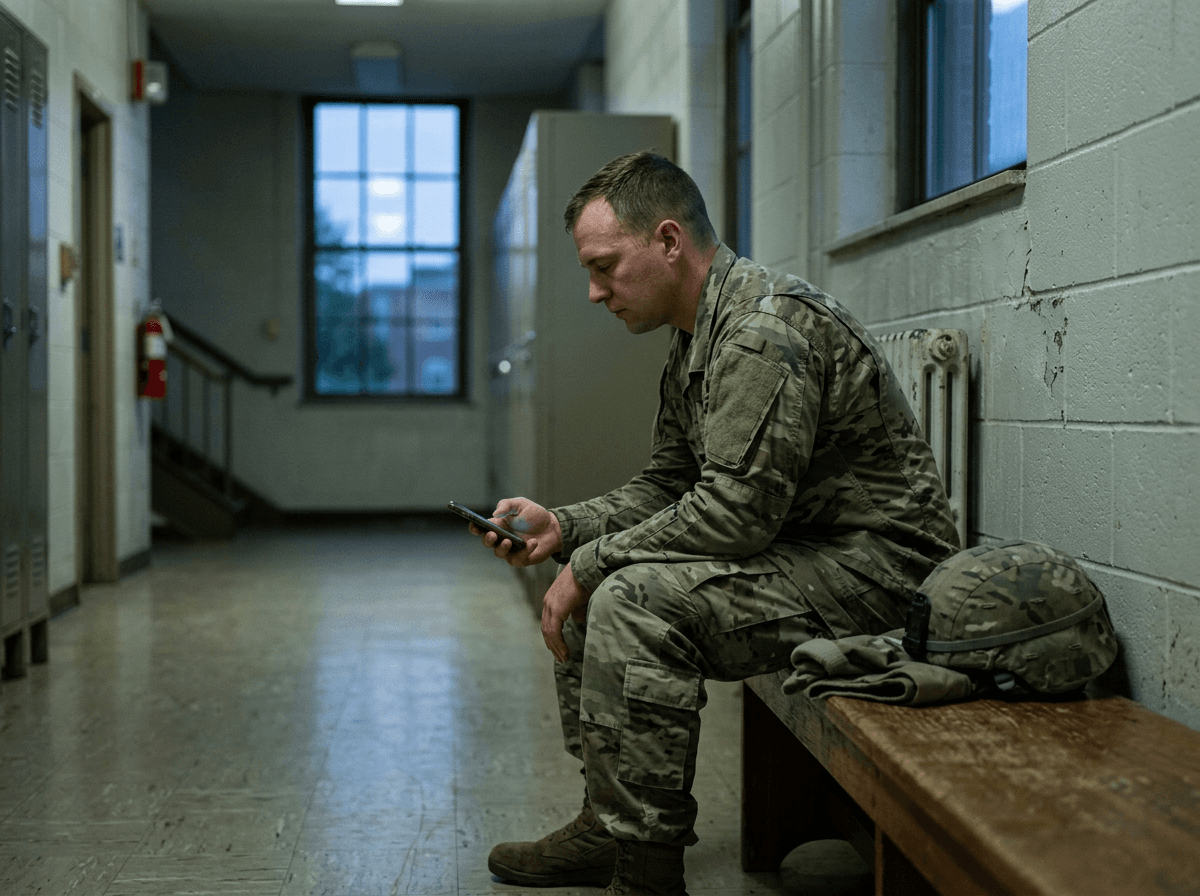
Among veterans aged 18–44, 35% will experience PTSD in their lifetime.
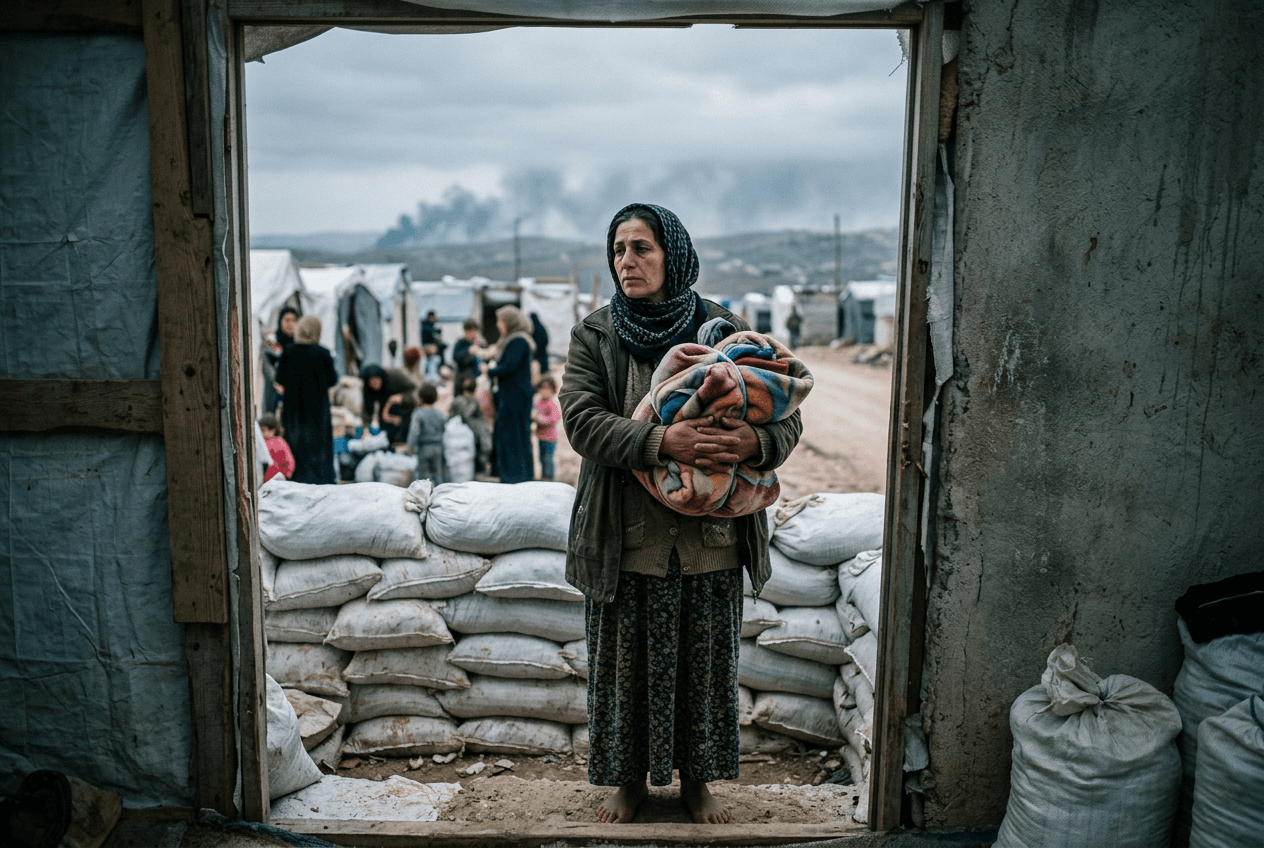
Nearly 1 in 3 refugees and asylum seekers experience PTSD (31%).

A Global Mental Health Crisis
For people who have experienced trauma, mental health support is out of reach - not because help doesn't exist, but because barriers block the way.
117.8M
people forcibly displaced worldwide
UNHCR
76% – 85%
of people with serious mental disorders in low- and middle-income countries receive no treatment
WHO
<1%
of global health aid goes to mental health
WHO
Only 1 in 3
people with depression worldwide receives formal mental health care
WHO
Up to 20%
of women worldwide who have just given birth experience a mental disorder, mainly depression
WHO
Nearly 3 in 10
untreated veterans with a mental disorder cite stigma as a barrier to getting help
Center for Evidence for the Armed Forces Community
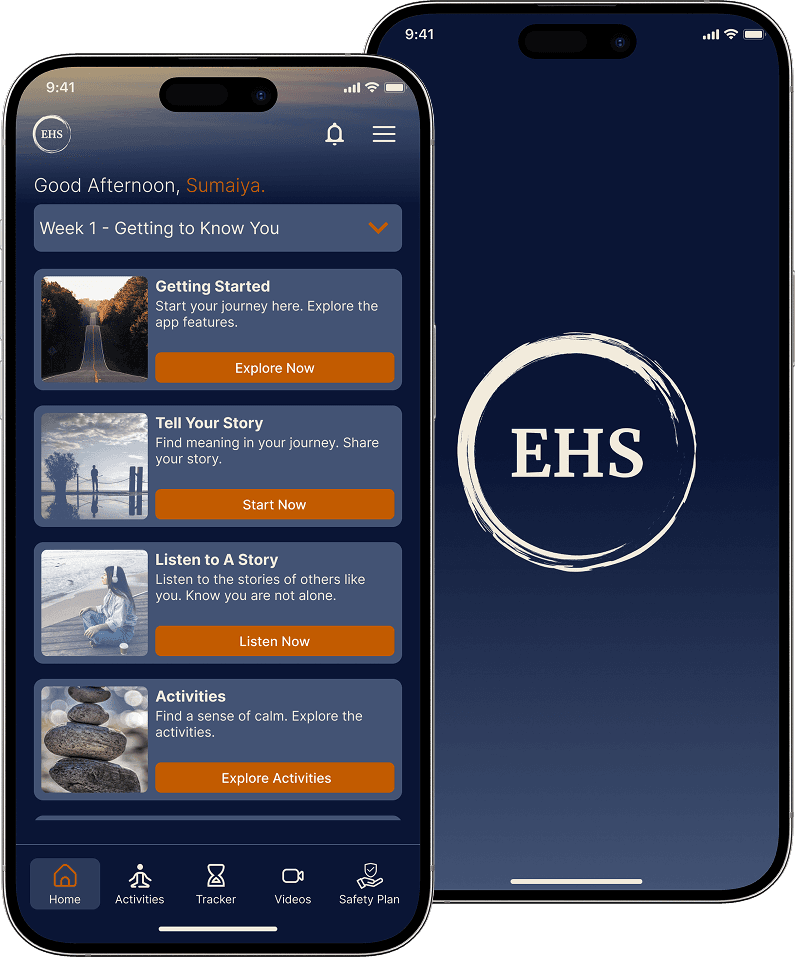
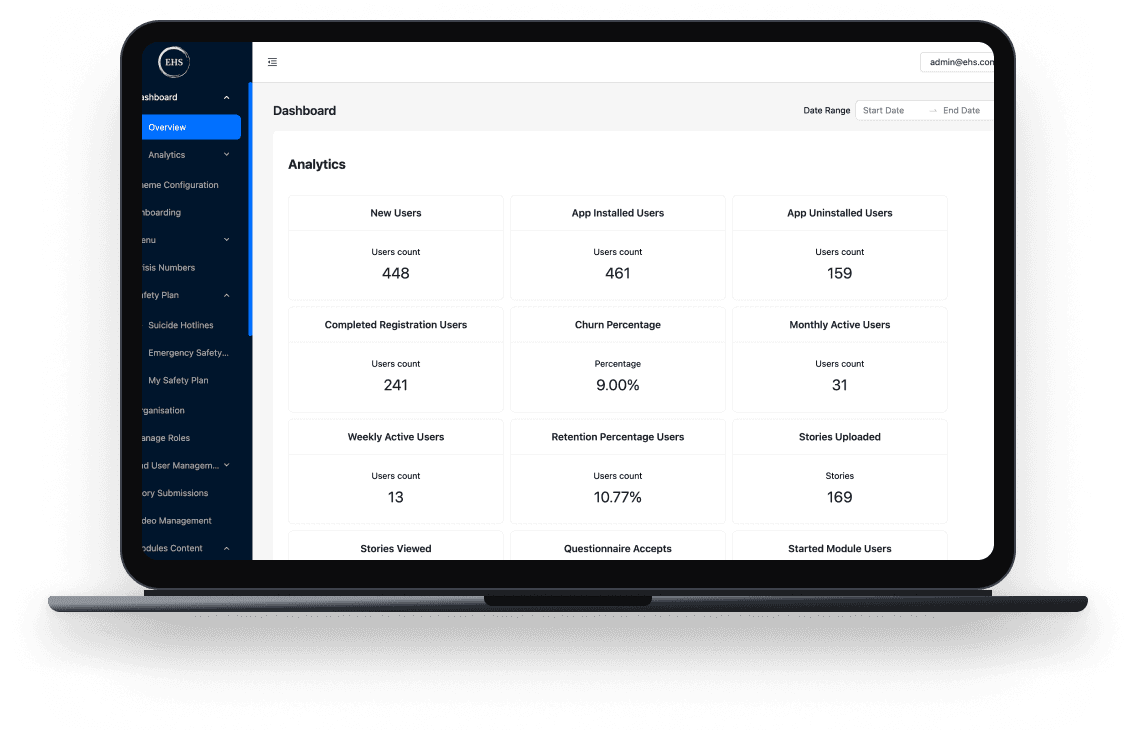
Who Bears The Heaviest Burden
Mental health challenges disproportionately affect those where access is most limited. These are the populations we build for.
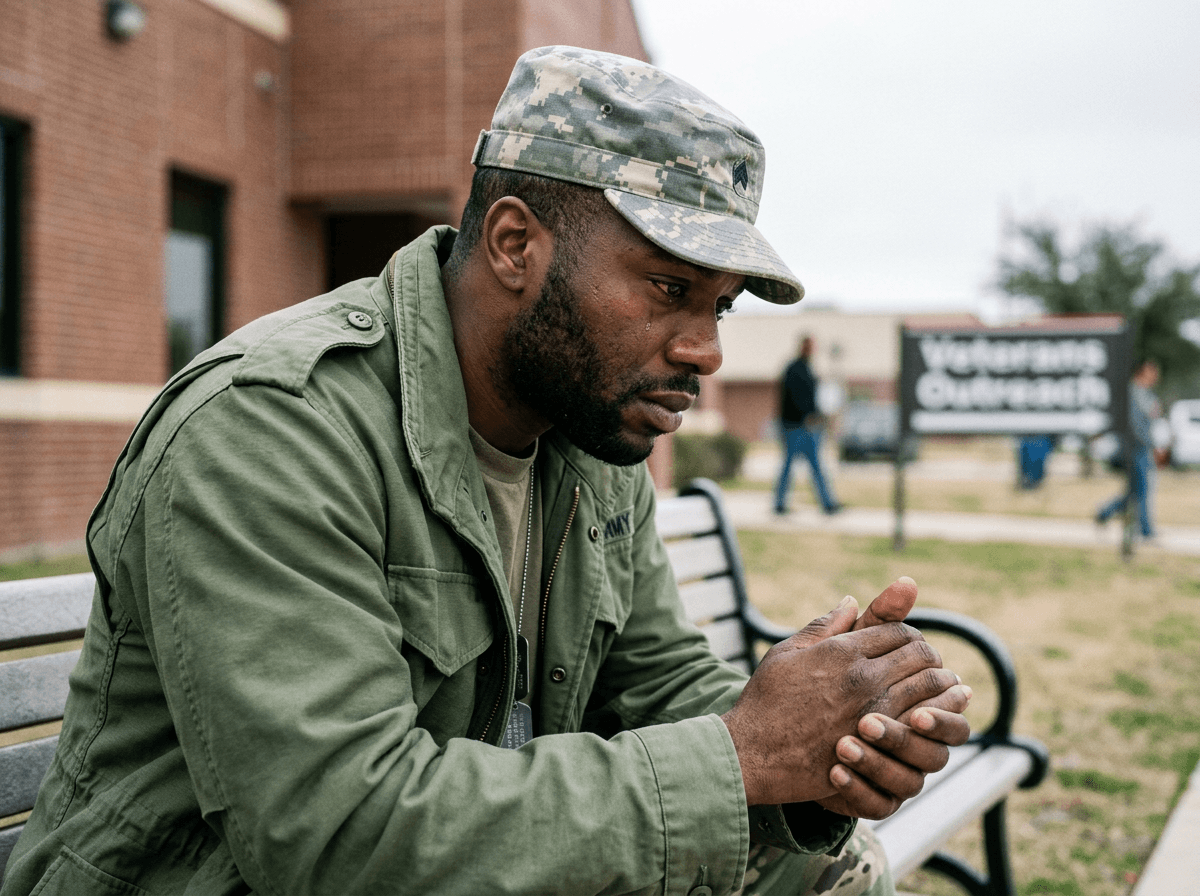
Military, Veterans, and Ex-Forces
Carrying the invisible wounds of service, many go without care due to stigma.
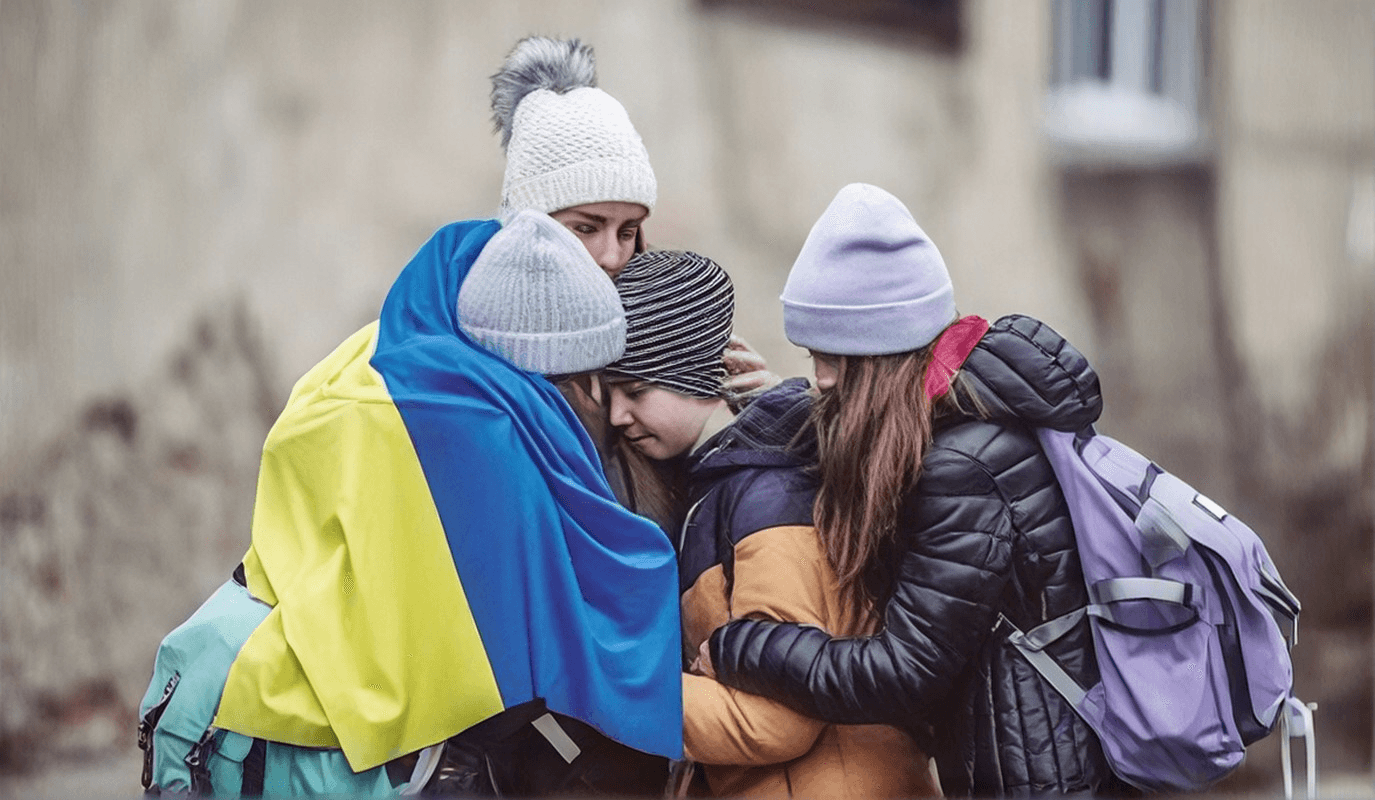
Refugees
After fleeing war and persecution, many face uncertainty and language barriers that keep care out of reach.
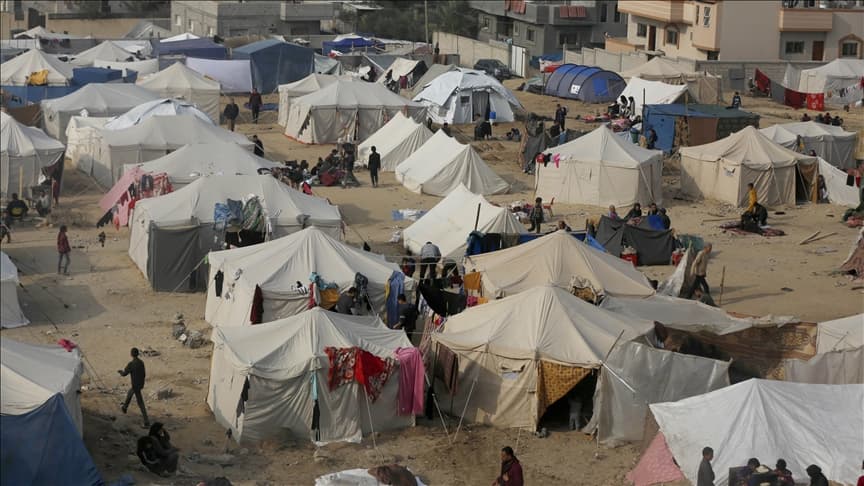
Displaced people
Uprooted inside their own countries, they live where health systems are disrupted or gone.
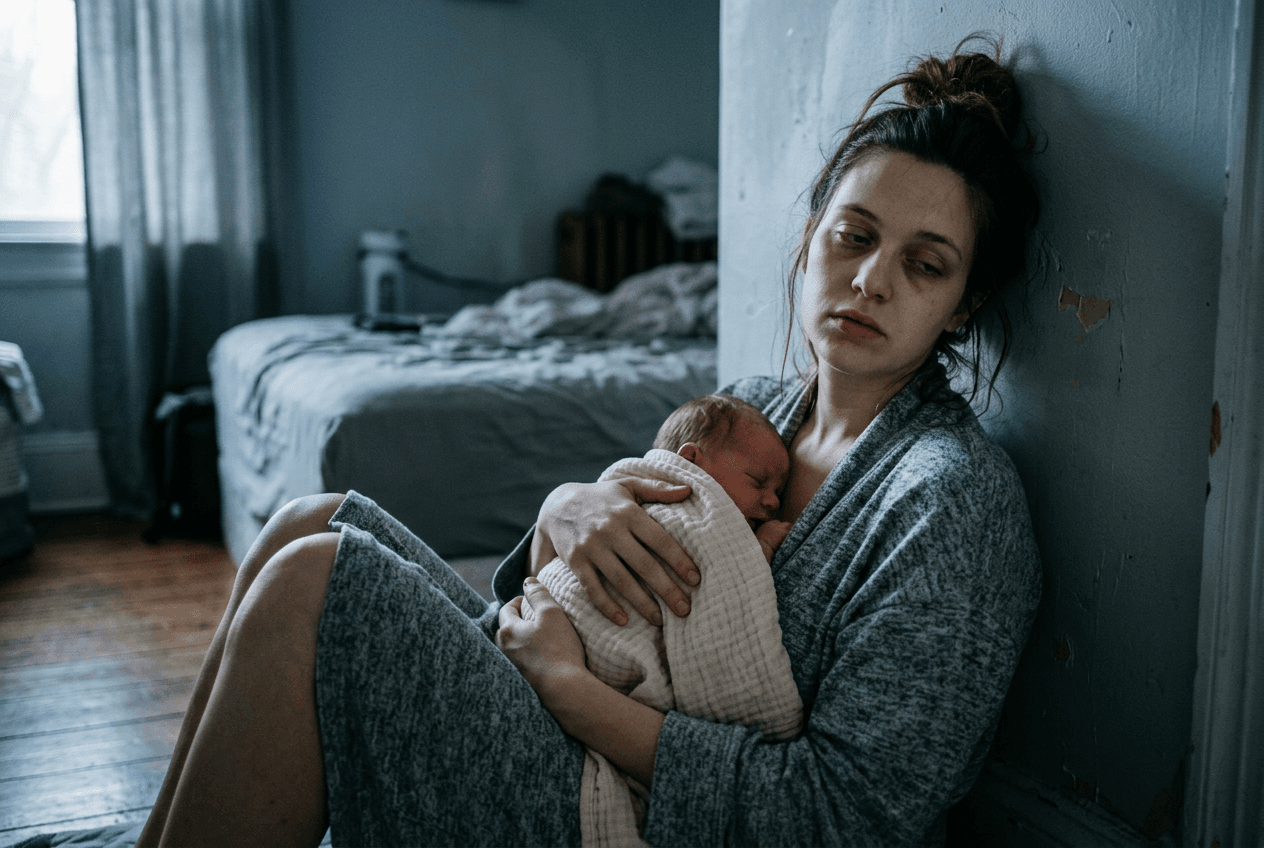
People experiencing postpartum depression
1 in 6 new mothers struggle with it. Many suffer in silence, never diagnosed and never supported.
Barriers
Why people don't get help
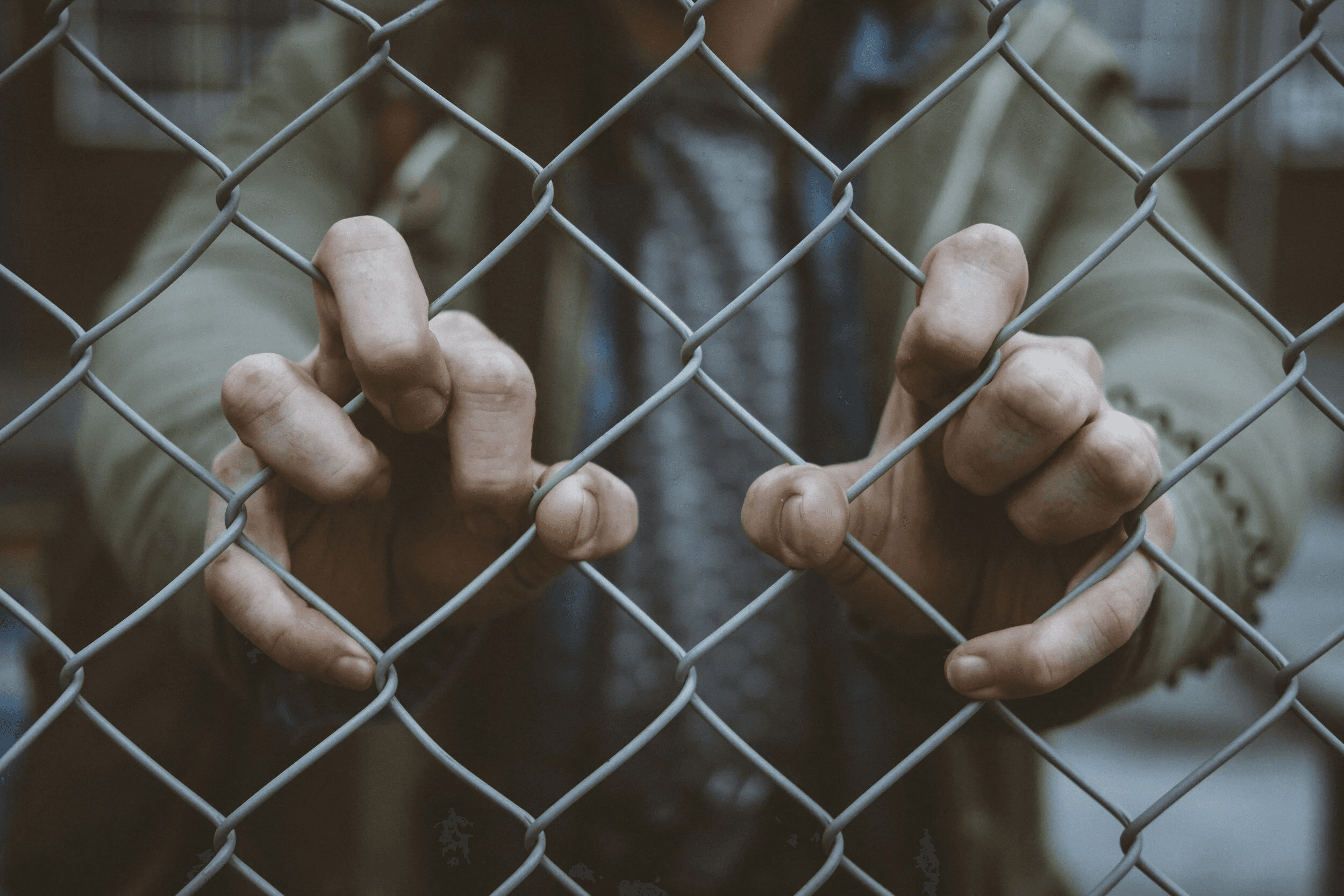
Limited access
Mental health care is out of reach for many vulnerable populations.
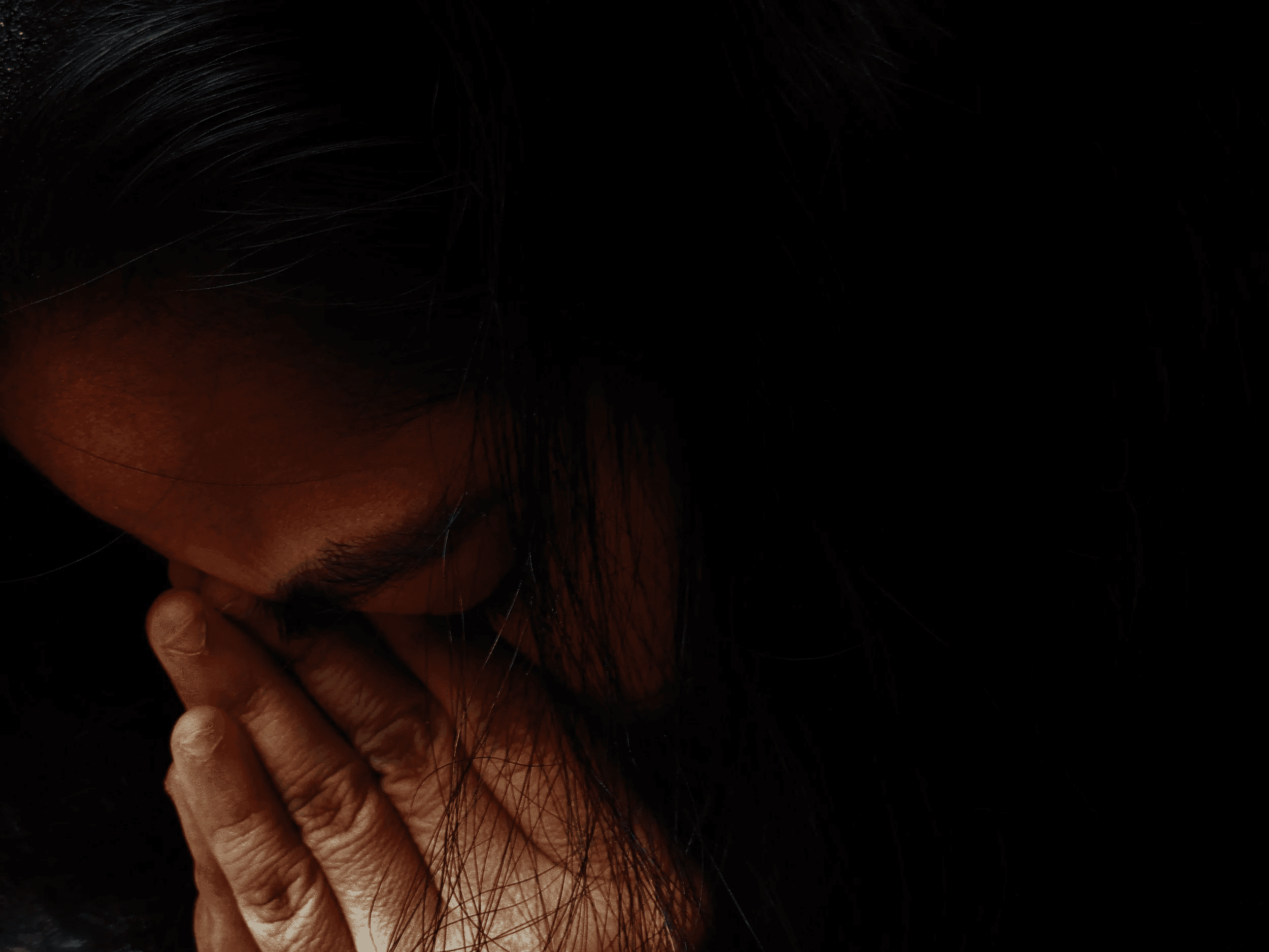
Stigma
Cultural beliefs and a fear of judgement silence vulnerable populations’ voices.
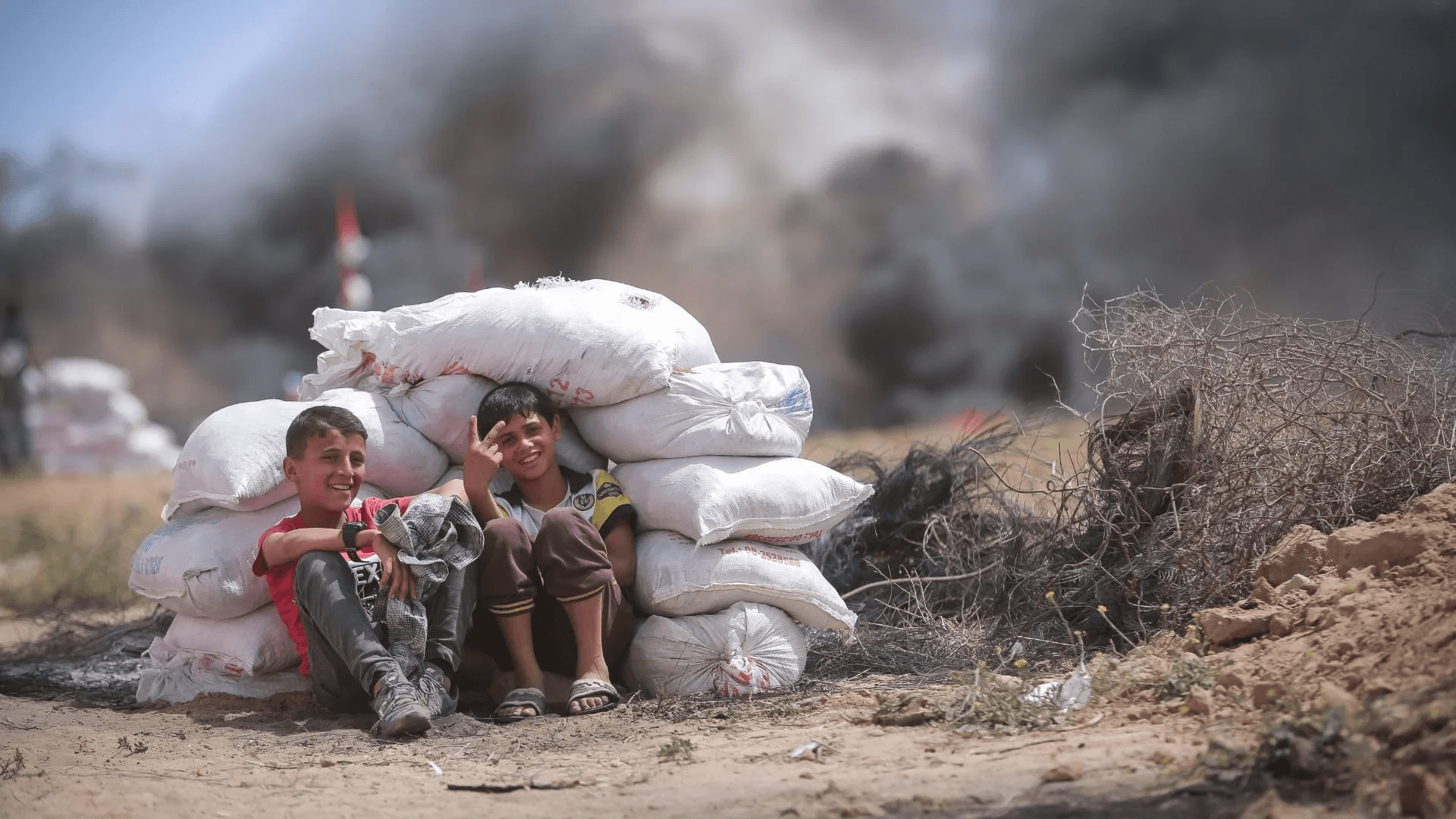
Lack of resources
High costs and shortages of culturally and linguistically competent therapists prevent access.

Bring EHS to the people you serve
The EHS app is available through partner organizations, at no cost to users. Talk to us about licensing, deploying or co-designing with EHS.